
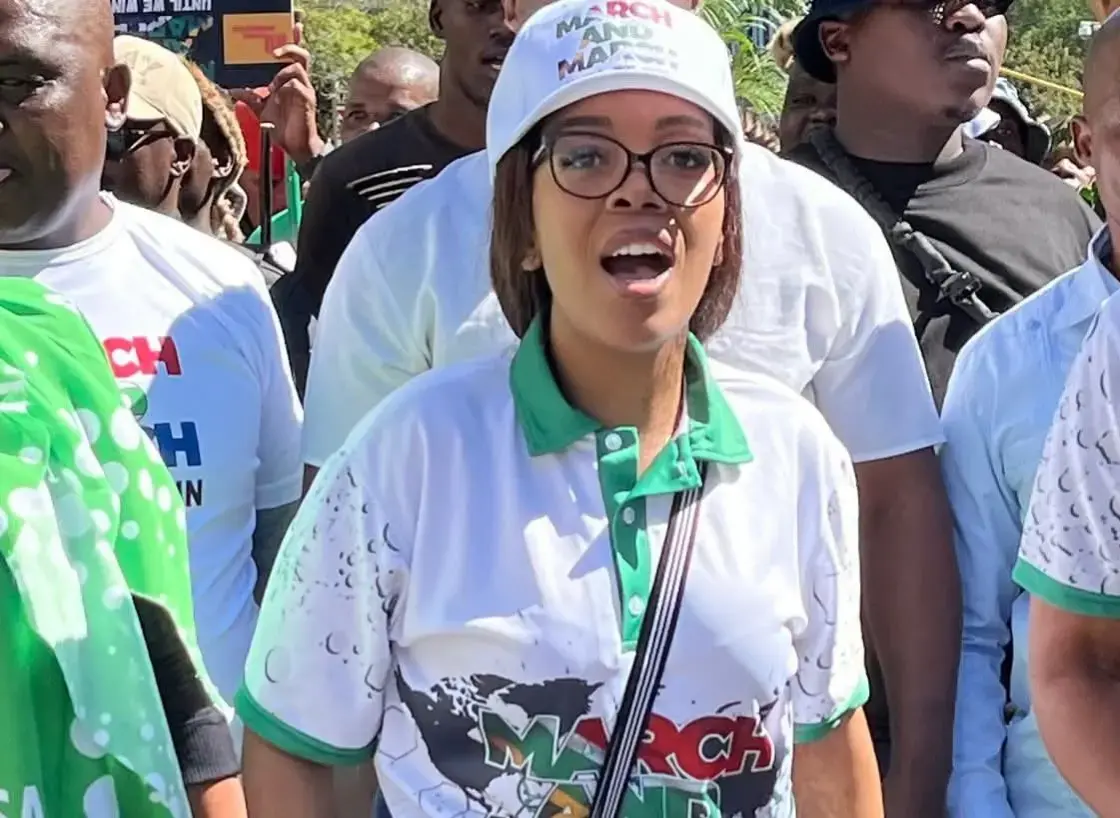
The activist group known as the March and March Movement has issued a formal public notice, outlining its stance on the state of the eThekwini Central Business District and its plans for upcoming mobilisation. The organisation identifies itself as a proponent for a safer South Africa, with a specific focus on eradicating illegal and irregular immigration.
Claims regarding the eThekwini CBD
The movement characterises the current situation in the eThekwini Central Business District as one where facilities have been hijacked by illegal immigrants and criminal syndicates. They explicitly allege that these activities are led by foreign nationals originating from Somalia, Pakistan, and Nigeria. Furthermore, the group asserts that the township economy must be returned to the control of South African citizens.
Formal demands to municipality
To address these concerns, the movement has issued a series of demands directed at local authorities. They are calling for a formal plan to reclaim city infrastructure, specifically requesting that all illegal occupants of government buildings be taken to court.
Additionally, the group urges the municipality to engage in urgent meetings with the legitimate owners of hijacked buildings to formulate a reclamation strategy. The organisation has explicitly demanded that the municipality provide a briefing to ratepayers within a 14-day window regarding their specific plans for urban revitalisation.
Call to action and upcoming demonstration
In alignment with these goals, the March and March Movement has declared its intention to participate in a demonstration organised by the MKP. This march is scheduled to take place on June, 10,2026, beginning at 9:00 at the Curries Fountain stadium. The movement is actively calling upon its membership base to attend this event in significant numbers to ensure their demands are formally included in the march's memorandum.
As part of their broader political strategy, the group plans to utilise their ongoing roadshows to engage with various political parties, urging them to adopt and advocate for these specific demands. The statement concludes with the assertion that South Africa belongs to its citizens rather its politicians.