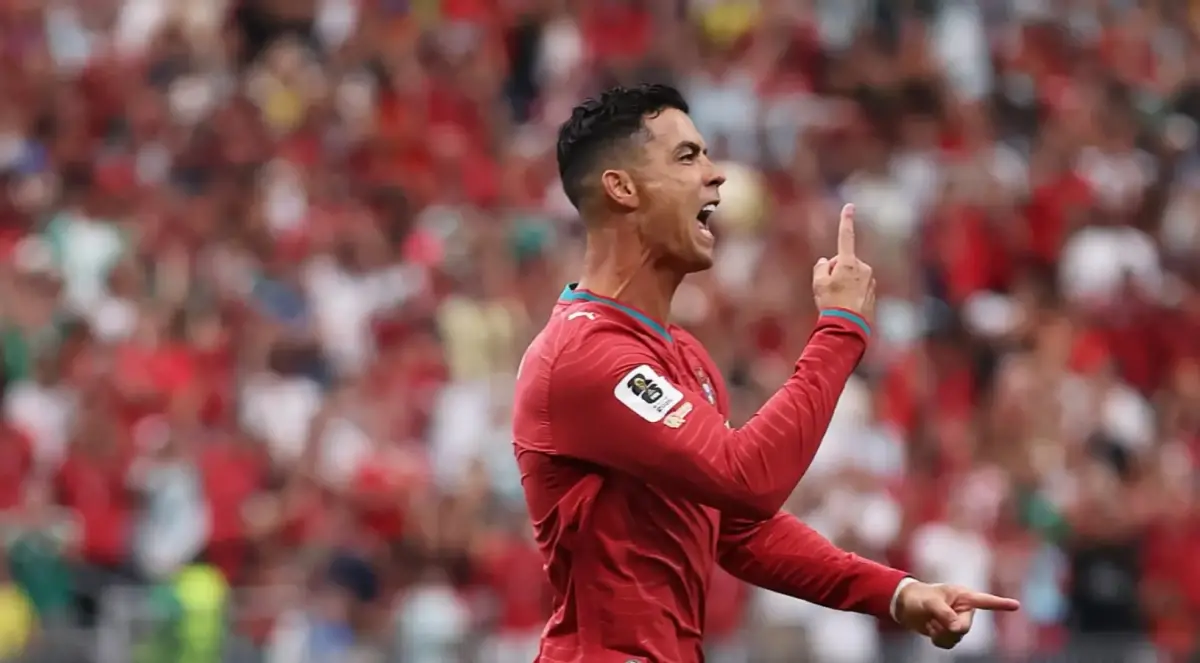
In a statement performance at Houston Stadium on 23 June 2026, Portugal revitalised their World Cup campaign with a clinical 5-0 demolition of Uzbekistan. The Group K encounter saw Cristiano Ronaldo etch his name further into football history, becoming the first player ever to score in six separate FIFA World Cup tournaments.
Tactical mastery and scoring breakdown
Entering the match under the pressure to improve upon their earlier tournament form, Portugal responded with maturity and attacking flair. The highlight of the evening belonged to their captain, 41-year-old Cristiano Ronaldo. He opened the scoring just six minutes into the match, finishing a precise low cross from João Cancelo.
He later added a second goal – a clinical strike from a Bruno Fernandes pass – which moved him past the legendary Eusebio to become Portugal's all-time leading goal scorer in World Cup finals. With this brace, Ronaldo also cemented his status as the second-oldest player to score in a FIFA World Cup, trailing only Cameroon's Roger Milla.
Portugal dominated from the opening whistle, controlling the tempo and creating consistent opportunities. The scoring summary began with Ronaldo's early strike, followed by an exceptional free-kick from Nuno Mendes that curled into the top corner at the 18-minute mark. Ronaldo completed his brace at the 30-minute mark before the pressure forced an own goal from Uzbek goalkeeper Abduvohid Nematov at the hour mark. The scoring was rounded off by a late, blistering solo run from Rafael Leao, who finished with precision in the 88th minute.
Defensive discipline and crowd impact
While Uzbekistan fought valiantly in front of a capacity crowd of 68,777, they were unable to contain a rampant Portuguese side that looked significantly more composed than in their tournament opener. The tactical discipline displayed by Portugal, particularly in the midfield transition, prevented Uzbekistan from mounting any meaningful counter-attacks throughout the ninety minutes.
Looking toward the knockout stages
Following the match, head coach Roberto Martinéz praised the team's professional approach and tactical execution. He noted that the squad displayed the same level of commitment seen in their opener but with far greater maturity and clinical efficiency in the final third.
With this result, Portugal has moved to the top of Group K. The team now turns its attention to the remainder of the group stage, looking to build on this momentum and solidify their path to the knockout rounds. The victory serves as a strong signal to the rest of the tournament that Portugal remains a formidable contender for the title.