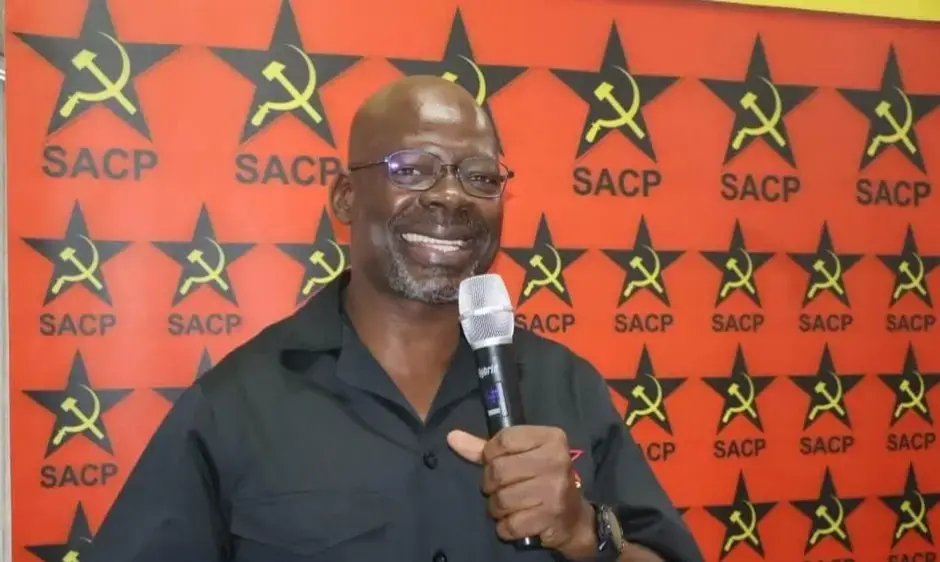
The South African Communist Party (SACP) has formally welcomed the recent announcement regarding fuel tax relief, characterising the move as a necessary intervention to protect the working class from escalating economic distress.
In a statement released on Wednesday, April 1,2026, the SACP noted the joint decision by the Ministry of Finance and the Ministry of Minerals and Petroleum Resources to reduce petrol prices by R3.00 through a reduction in the petrol levy.
This relief is intended to mitigate the harsh financial impact of an international energy crisis which the party attributes to imperialist conflicts, specifically citing US and Israeli military actions against Iran.
Limitations of the current intervention
While the SACP views the reduction as a positive step, the party remains critical of the limited scope and duration of the intervention. The relief is currently scheduled to last for only one month, a timeframe the SACP describes as insufficient to provide true stability for citizens.
The party emphasises that the working class continues to bear the heavy burden of rising costs against a backdrop of diminishing income and precarious social welfare provisions. According to the SACP, this minimal tax cushion fails to address the underlying unpredictability of the energy market, leaving the lives of ordinary South Africans in a state of constant financial uncertainty.
Structural challenges and refinery decline
Beyond the immediate price of fuel, the SACP highlights significant structural failures within the national energy system. The party argues that a neoliberal economic model has severely compromised South Africa's energy security, noting a fifty percent reduction in domestic oil refinery capacity over the last five years. This decline has left the country increasingly exposed to fuel shortages and heavily dependent on direct imports.
To counter these vulnerabilities, the SACP is calling for a move away from current market-driven policies in favour of a sustained, state-driven strategy that prioritises the protection of the people and the national economy from external shocks.
A call for strategic international alliances
Looking toward long-term solutions, the SACP suggests a strategic shift in South Africa's international relations and energy partnerships. The party advocates for a more closely aligned cooperation with Iran to secure sustainable energy supplies.
Additionally, the SACP underscores the importance of intra-Africa cooperation, urging the government to strengthen ties with oil-producing nations on the continent. By fostering these regional and strategic alliances, the SACP believes South Africa can minimise its dependence on volatile global markets and build a more resilient energy infrastructure through comprehensive state intervention and investment.