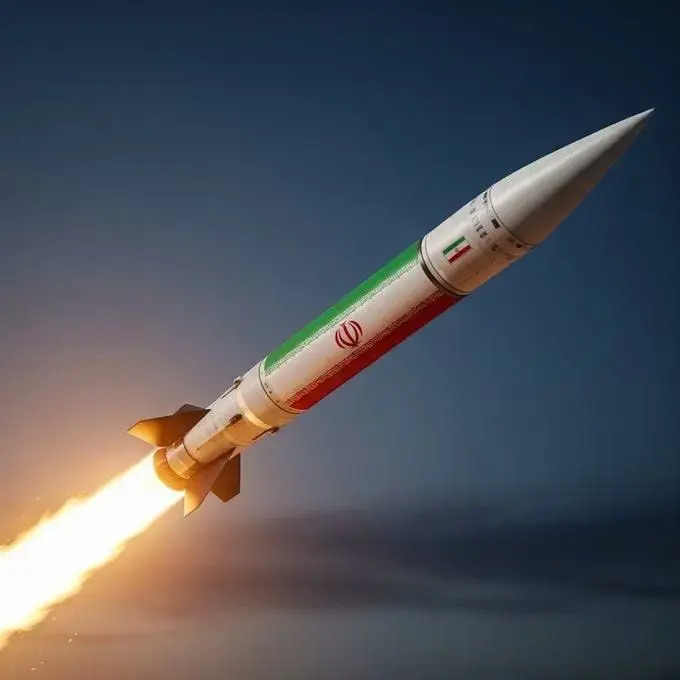
The regional conflict in the Middle East has entered a volatile new chapter following a direct strike on Iran's South Pars gas field – the world's largest natural gas reserve – on March 18,2026.
The attack conducted by Israel with U.S. coordination, marks a strategic pivot toward “all-out economic war” by targeting the backbone of Iran's domestic energy and power grid.
The strike on South Pars
The attack targeted the Asaluyeh refining complex in southern Iran, specifically hitting phases 3,4,5, and 6. The South Pars field is critical to Iran's survival, providing roughly 70% to 75% of its domestic gas and fueling the thermal plants that generate over 90% of the country's electricity.
- Impact: Operations were halted to control massive fires. Early assessments suggest up to 20% of Iran's gas processing capacity may have been damaged.
- Casualties: While the refinery was evacuated, state media reported at least seven deaths and dozens of injuries in nearby residential areas of Dorud due to simultaneous strikes across the country.
Iran's “New Equation” of retaliation
Tehran's response was immediate and shifted away from previous patterns of “strategic patience.” The Islamic Revolutionary Guard Corps (IRGC) declared that the “equation of war” had changed, signaling that if Iranian energy infrastructure is hit, no energy facility in the Persian Gulf is safe.
The warning to neighbours
Hours after the attack, Iran issued an unprecedented evacuation order through state media, naming specific high-value targets in Saudi Arabia, Qatar, and the UAE. It urged employees and residents to leave these “legitimate targets” immediately.
Kinetic strikes on Ras Laffan
True to its warning, Iran launched a retaliatory missile and drone strike on Qatar's Ras Laffan industrial city.
- Damage: QatarEnergy confirmed “extensive damage” to the Pearl GTL (Gas-to-Liquids) facility.
- Significance: This is a direct hit on the Qatari side of the same shared gas field (the North Field), signaling that Iran is willing to disrupt the global LNG market to maintain deterrence.
Regional escalation
Reports indicate further Iranian strikes against:
- UAE: The Al-Hosn and Habshan gas facilities were targeted, leading to temporary operational shutdowns.
- Saudi Arabia: Warnings were issued for the Samref Refinery and Jubail Petrochemical complex, with explosions reported near Riyadh.
- Israel: A heavy barrage of missiles, including cluster munitions, was reported in the West Bank and central Israel.
Economic and global consequences
The transition to an “energy war” has sent shockwaves through global markets, immediately ending the period of relative stability in energy prices. Brent crude oil benchmarks surged by over 5% in a single day, crossing the $110 per barrel mark as traders braced for a potential total blockade of the Strait of Hormuz.
Beyond oil, the impact on Liquefied Natural Gas (LNG) has been even more severe. Because South Pars and Qatar's North Field are part of the same geological structure, the strikes have effectively weaponised the world's most important gas hub.
European gas benchmarks jumped nearly 8% as concerns grew over winter supplies, while in the United States, diesel and gasaoline prices spiked, adding immense domestic political pressure on the Trump administration.
“These centers have become direct and legitimate targets… all citizens, residents, and employees are requested to immediately leave these areas.” – IRGC statement.
What happens next?
The situation remains on a knife-edge. President Trump has claimed that Israel will not strike South Pars again but has threatened to “massively blow up” the entire field if Tehran continues to attack Qatari infrastructure. Meanwhile, the IRGC maintains that its “asymmetric” response will continue until Western and regional infrastructure is equally disabled.