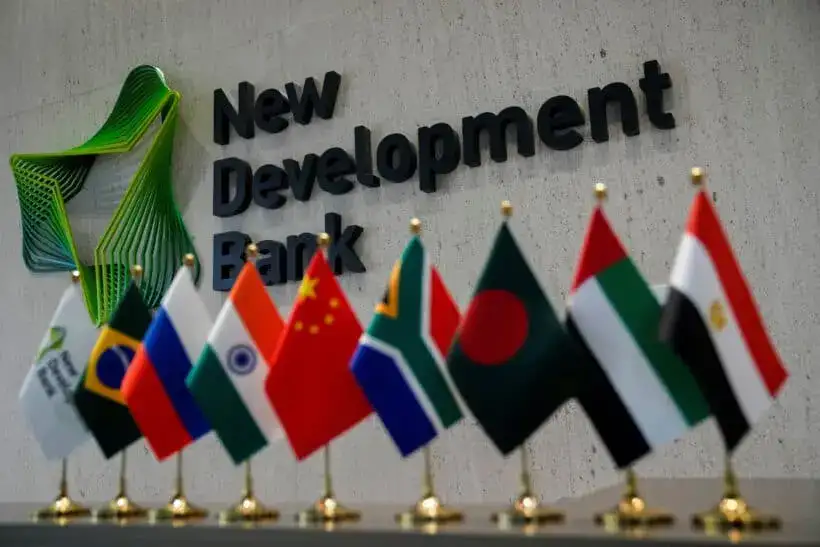
The Ministry of Finance, Economic Development and Investment Promotion has officially announced the commencement of formal negotiations for Zimbabwe's membership in the New Development Bank, popularly known as the BRICS Bank.
This significant progression follows a decisive move by the bank's Board of Directors and subsequent communication from the President of the New Development Bank, Dilma Rousseff, which confirmed the start of the accession process and outlined the necessary steps toward achieving full membership status.
A milestone for national engagement
This development is being hailed as a landmark achievement within Zimbabwe's broader engagement and re-engagement agenda. It reflects a rising level of international confidence in the nation's economic reform programs and its commitment to macroeconomic stability.
By joining the institution, Zimbabwe aims to bolster its ability to secure long-term development financing for critical national priorities. These goals align with the National Development Strategy 2 (NDS2) and the overarching Vision 2030 objective of transforming the country into a competitive and resilient upper-middle-income economy.
Strategic goals and infrastructure development
The anticipated membership is expected to provide essential support for large-scale projects, including infrastructure modernisation, energy security, and industrialisation. Furthermore, it focuses on digital transformation, climate resilience, and the development of private sector value chains.
By integrating into the financial revolution associated with the BRICS nations, Zimbabwe seeks to deepen South-to-South cooperation and foster win-win partnerships with other emerging economies.
Economic transformation and future outlook
Ultimately, this move reinforces the country's current development trajectory and highlights a momentum toward accelerated economic transformation. As the government continues to implement reforms aimed at job creation and inclusive prosperity, this partnership with New Development Bank serves as a strategic pillar for sustainable growth.
The formal entry into these negotiations marks a proactive step in ensuring that the nation remains aligned with global technological and financial advancements while fulfilling the presidential mantra of leaving no one and no place behind.