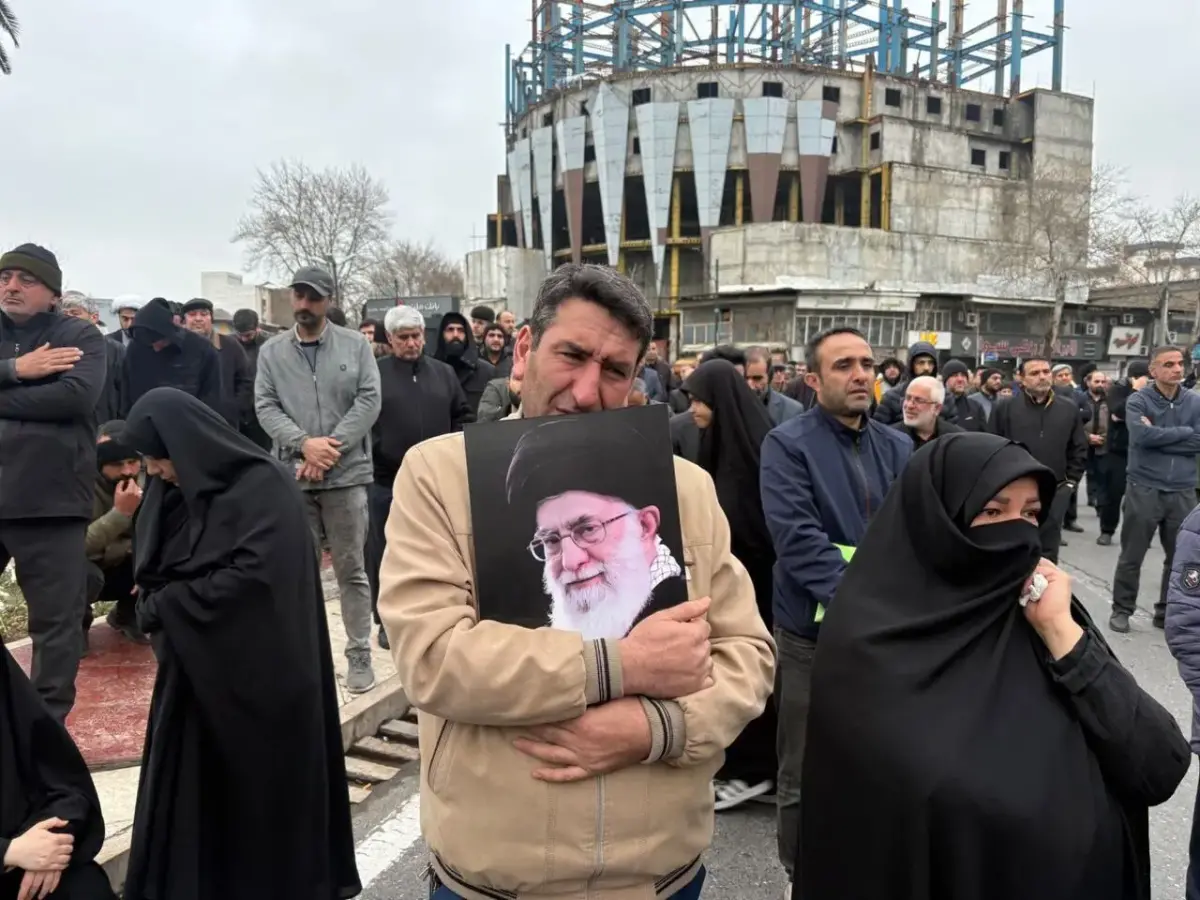
A heavy, suffocating silence has fallen over the streets of Tehran as the Islamic Republic begins its first days without the man who served as its spiritual and political North Star for thirty-five years.
On Sunday morning, with voices cracked by emotion, state broadcasters confirmed what many feared: Ayatollah Sayyed Ali Hosseini Khamenei has achieved “the high rank of martyrdom” following a devastating joint military bombardment by the United States and Israel.
For the millions who saw him not just as a head of state, but as a father figure and the Vicar of the Hidden Imam, the news has transformed the Iranian landscape into a sea of black banners and communal weeping.
A final prayer under fire
The strike, which leveled the Supreme Leader's residence and surrounding administrative offices, struck at the very heart of the nation's identity. Witnesses described the sky over Tehran turning a haunting crimson as the explosions echoed through the Alborz mountains.
Reports from within the inner circle suggest the Ayatollah was in a moment of reflection when the munitions struck. The loss is compounded by the deaths of his beloved family members and his most trusted advisors —men who had stood by his side through decades of sanctions and struggle.
“The flag of Islam will never fall,” a tearful presenter on state television declared, clutching a portrait of the late Leader. “Our father is gone, but his spirit remains the bedrock of our resistance.”
Scenes of desolation
From the grand mosques of Qom to the bazaars of Tabriz, the atmosphere is one of the profound, somber attack.
- Public Grief: Thousands have poured into Valiasr Street, many kneeling in prayer, others beating their chests in the traditional style of Mourning for Muharram.
- A Silent Capital: Shops have shuttered their doors, and the usual roar of Tehran traffic has been replaced by the rhythmic chanting of funeral dirges.
- The Empty Chair: At the Imam Khomeini Hossainieh, where the Leader would often meet with the faithful, his simple wooden chair remains empty, draped in a black shroud and topped with a copy of the Quran.
The weight of an uncertain future
While the regional fires of conflict continue to burn, the internal heartbeat of Iran is slow and heavy. The transitional council now faces the impossible task of guiding a grieving populace while the nation's “guiding light” has been extinguished.
A legacy written in faith
To his followers, Ayatollah Khamenei was the “Shadow of God,” a man of ascetic habits who lived a simple life while defying the world's superpowers. As the funeral processions begin to be organised — expected to be among the largest in human history — the people of Iran prepare to bid a final, agonising farewell to the only leader many of them have ever known.
In the mosques of South Tehran, the lament is the same: the world feels colder, and the path forward, once so clear under his guidance, is now obscured by the smoke of a sudden, violent loss.