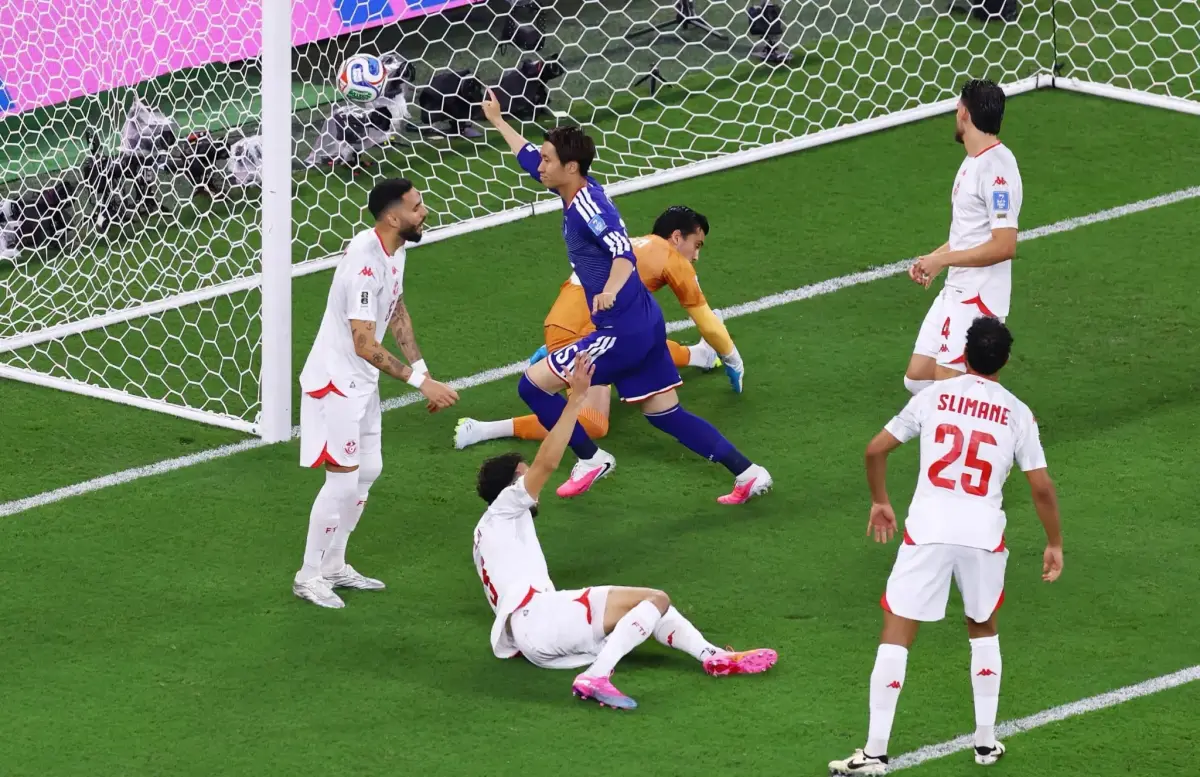
The 1,000th match in the history of the FIFA World Cup concluded with a ruthless display of precision as Japan dismantled Tunisia 4-0 at the Estadio BBVA in Monterrey. The result officially confirms Tunisia's exit from the tournament while establishing Japan as a dominant force in Group F.
Rapid breakthrough
Japan wasted no time making history. In only the 4th minute, a swift transition down the left wing by Keito Nakamura opened the Tunisian defense, allowing Daichi Kamada to slot home the fastest goal ever recorded by a Japanese player in a World Cup tournament.
Tactical struggles for Tunisia
The tactical instability plaguing Tunisia became apparent almost immediately. Despite the last-minute appointment of veteran manager Herve Renard – who was brought in to provide a defensive remedy following a heavy opening loss to Sweden – the team proved unable to contain Japan's relentless movement. The Japanese midfield controlled the tempo, forcing the Tunisian backline into a series of errors that were clinically punished.
The rise of Ayase Ueda
Ayase Ueda proved to be the standout individual of the fixture. He extended the lead to two in the 31st minute with a thunderous effort from outside the box. As the second half progressed and the Tunisian defense stretched in a desperate attempt to find a goal, Japan capitalised on the gaps.
In the 69th minute, Ueda shifted roles to act as a playmaker, threading a precise pass to Junya Ito for the third goal. Ueda capped his stellar performance in the 83rd minute by rising above the defense to head home his second of the match, cementing his status as the first Japanese player to net a brace in a single World Cup game.
Tournament implications
This emphatic result leaves Japan tied at the top of the group with the Netherlands, putting them in an excellent position to progress to the Round of 32. For Tunisia, the campaign ends in disappointment. After conceding nine goals in two matches without finding the back of the net once, they are left to reflect on a tournament defined by chaos, as the hoped-for tactical spark from their new coaching staff failed to materialise on the pitch.