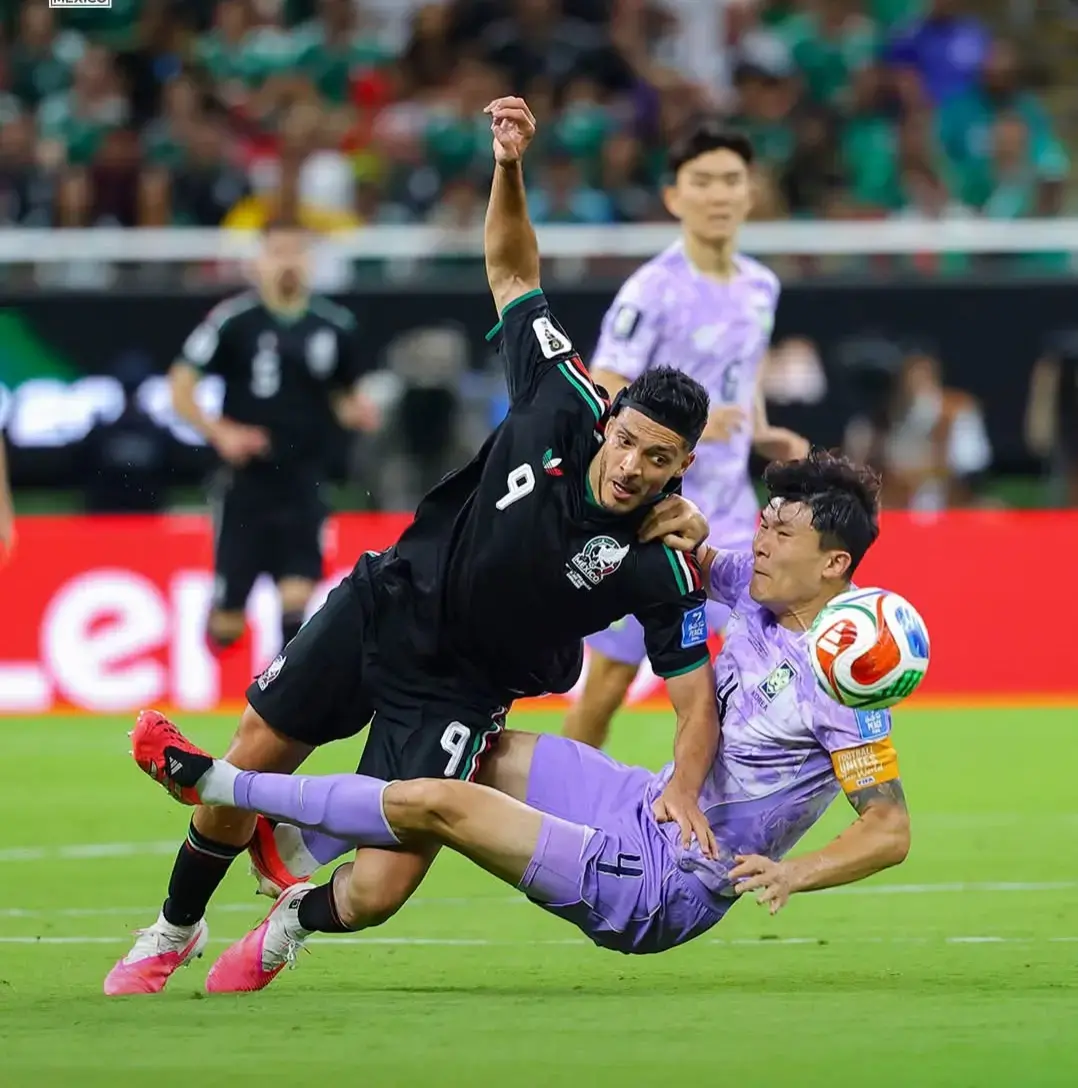
The FIFA World Cup 2026 narrative took a significant turn on June 18 as Mexico became the first nation to officially punch their ticket to the Round of 32. In an electric atmosphere at Estadio Akron in Guadalajara, the Mexican side edged out South Korea in a 1-0 result that showcased the high stakes and defensive intensity characteristic of this tournament.
A tactical deadlock
The contest began as a tactical chess match, with both managers emphasising structure and transition discipline. South Korea, known for their disciplined high press, effectively neutralised Mexico's midfield creativity during the opening forty-five minutes. Both teams engaged in a physical battle for territory, leaving fans in the stadium and across the world waiting for a crack in either side's defensive armor.
The defensive breakthrough
The deadlock was broken five minutes after the restart. Following a lofted ball into the penalty area, a communication breakdown between South Korean goalkeeper Kim Seung-gyu and his defensive line created an unexpected window of opportunity. Luis Romo demonstrated exceptional composure and spatial awareness, capitalising on the loose ball to loop a clinical finish into the empty net. The goal sent the Guadalajara crowd into a frenzy and shifted the tactical momentum of the match entirely toward the host nation.
Rangel's heroics in the final minutes
Stung by the deficit, the South Korean squad transitioned into an aggressive offensive posture for the final half-hour. The intensity reached a boiling point in the 87th minute during a frantic goal-mouth scramble. South Korean striker Cho Gue-sung connected with a powerful header that seemed destined for the back of the net, only for Mexican goalkeeper Raul Rangel to produce a reflex save of the highest caliber. Rangel followed his initial stop by immediately smothering the rebound attempt from Yang Hyun-jun, a sequence that will likely be remembered as the definitive defensive moment of the group stage thus far.
Tournament implications and historical context
The result carries substantial weight for both programs. For Mexico, the victory ensures they finish at the pinnacle of Group A regardless of the outcome of their final group-stage fixture against the Czech Republic. The win also serves as a historical milestone, as it marks the first time in the nation's footballing history that they have achieved three consecutive victories within the World Cup tournament framework. Their record against Asian confederation opponents remains unblemished, extending their streak to six wins in six encounters.
South Korean leaves Guadalajara disappointed by the scoreline but remains in a strong position to advance. Their qualification fate rests on their final group stage match against South Africa. With the group table remaining tight, South Korea enters their next preparation cycle knowing that a draw or a win will be sufficient to keep their tournament dreams alive. The match served as a testament to the growth of both teams and underscored the razor-thin margins that define modern international football at the highest level.