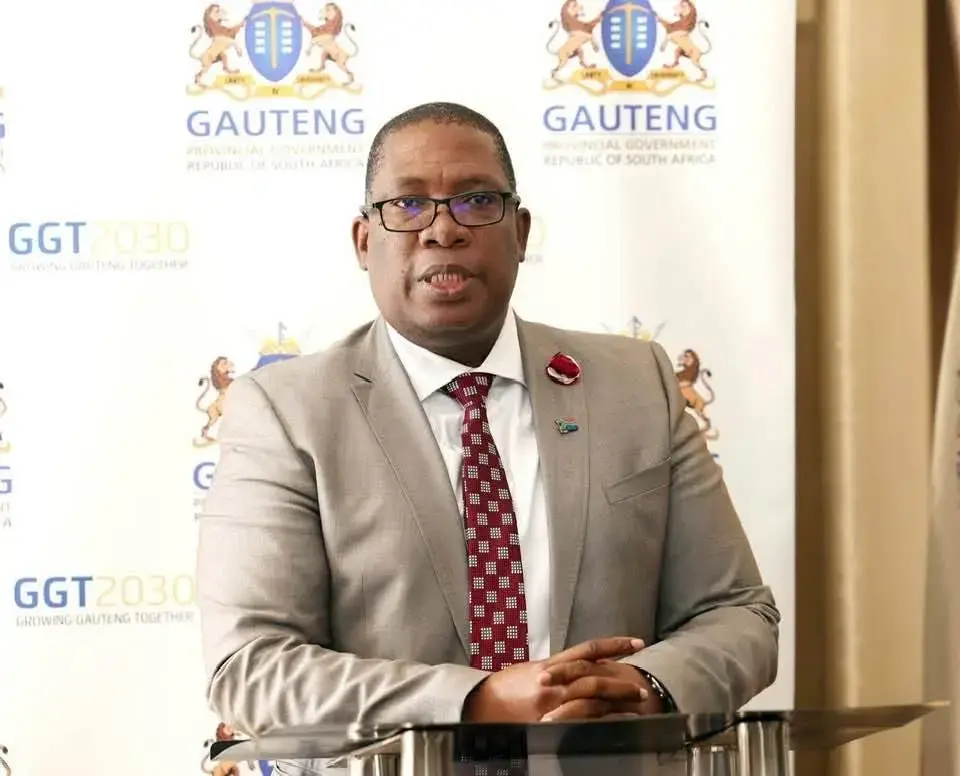
In a State of the Province Address (SOPA) dominated by concerns over service delivery, Gauteng Premier Panyaza Lesufi has placed the province's persistent water crisis at the forefront of his agenda for 2026.
Addressing the legislature at the Nasrec Expo Centre, the Premier acknowledged the “unacceptable” hardship faced by residents and unveiled a multi-pronged intervention plan, anchored by a R760 million investment for Johannesburg.
A renewed commitment to infrastructure
Recognising that the core of the crisis lies not in water availability, but in crumbling infrastructure, Premier Lesufi announced several critical measures:
- Targeted Investment: An allocation of R760 million specifically for Johannesburg to upgrade water systems. This includes the construction of a new reservoir in Brixton, a water tower, and a booster pump station.
- Infrastructure Agency: To centralise oversight, the provincial government will establish a new bulk infrastructure agency. This body is designed to manage major projects across all 11 municipalities, aiming to streamline maintenance and ensure consistent delivery of water, electricity, and sanitation.
- Emergency interventions: Citing recent progress in areas like Midrand and parts of Soweto, the Premier pledged to maintain “emergency mode” for stubborn, localised outages, promising that teams will work around the clock to restore supply.
- Youth Workforce: As part of broader job creation efforts, the government is deploying a 2,500-strong youth workforce, with the first 500 already tasked with repairing public infrastructure, including fixing broken taps and toilets.
The debate over accountability
While the Premier offered an apology to residents for the ongoing inconveniences, his commitments were met with intense scrutiny from opposition parties. Critics argue that the announcement repeats promises from the previous year that failed to materialise into consistent service on the ground.
The Democratic Alliance (DA) and other opposition voices have characterised the speech as “more empty promises,” pointing to the continued struggles of communities dealing with week-long outages and decaying sewer systems. Political analysts have also highlighted that the institutional capacity of municipalities remains a central hurdle, noting that funding alone cannot fix a lack of maintenance and poor management.
Looking ahead
The provincial government faces a challenging path ahead, compounded by potential budget disputes in the legislature. The success of these water interventions will be closely monitored, as residents demand tangible improvements rather than further policy announcements.
As the province prepares for upcoming local government elections, the ability of the provincial administration to bridge the gap between these high-level pledges and the daily reality of the taps will likely remain a defining issue for Gauteng's leadership.