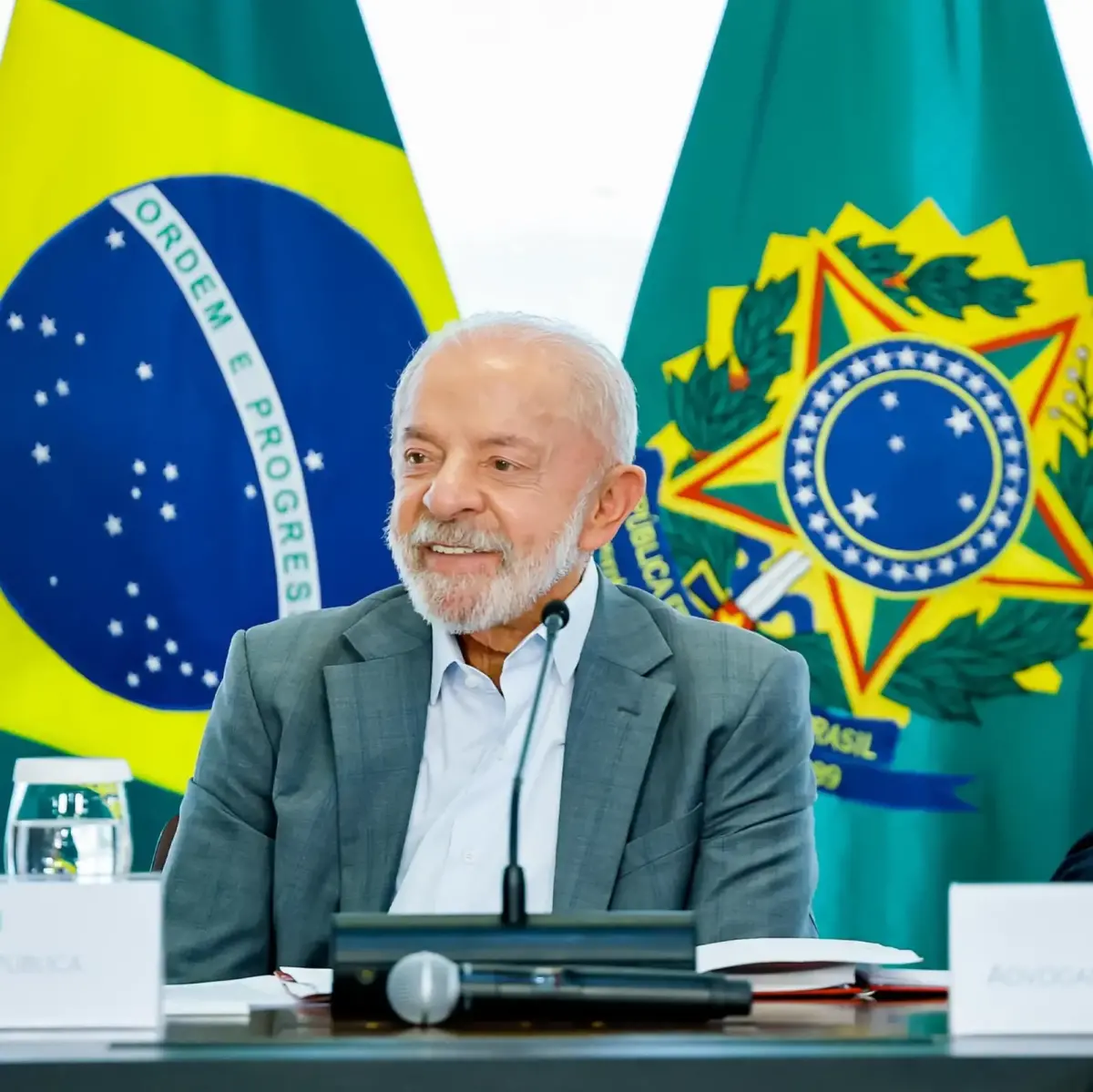
Brazilian President Luiz Inacio Lula da Silva has secured a historic fourth non-consecutive term, defeating right-wing Senator Flavio Bolsonaro in the presidential runoff held on Sunday, 25 October 2026.
With nearly all votes counted, Brazil's Superior Electoral Court (TSE) confirmed Lula's victory with approximately 51.78-51.79% of valid votes against Bolsonaro's 48.21-48.22%. The margin stood at more than 4 million votes (around 4.4 million in some tallies), a clearer result than Lula's narrower 2022 win over Flavio's father, former President Jair Bolsonaro.
A rare turnaround
The result marks a major political recovery. In the first round on 4 October, Flavio Bolsonaro finished ahead with about 47% to Lula's 45%, becoming the first candidate since Brazil's return to democracy in the 1980s to force a runoff after leading the initial vote – only for the runner-up to reverse the outcome. Lula is the first president in the modern democratic era to win after placing second in the first round.
At 80 (turning 81 shortly after the election), Lula becomes the oldest person to hold the Brazilian presidency in the democratic period and the first to win four terms. He previously served from 2003 to 2010 and returned to office in 2023.
Campaign and reaction
Lula framed the runoff as a defence of democracy against what he called threats of “barbarism.” His late-campaign surge included strong performance in the Northeast and higher turnout, with abstention dropping slightly from the first round. Supporters celebrated in Sao Paulo and other cities as the results became clear.
Flavio Bolsonaro, the eldest son of the jailed former president (serving a long sentence related to a plot after the 2022 election), refused to concede. He called the result “inexplicable” and said he would seek annulment, citing a Supreme Court decision that extended voting by two hours on election day due to logistical issues and weather in some areas. Both campaigns had requested extensions in places. Analysts have described the challenge as unlikely to succeed given the scale of the margin and the circumstances.
Broader context
The victory bucks a recent rightward trend across parts of Latin America and comes amid ongoing debates over the economy, cost of living, crime, and polarisation. Lula's Workers' Party (PT) and allies face a challenging Congress, while the country remains deeply divided. His new term is set to begin in January 2027.
Lula's win cements his status as one of the most consequential figures in Brazilian politics this century, even as it leaves open questions about governance, institutional trust, and the durability of the country's democratic norms in a polarised climate.