The Spanish government has officially and permanently withdrawn its ambassador to Israel, in a move that marks the lowest point in bilateral relations since 1986.
The decision, formalised in the state gazette on March 11, 2026, follows years of escalating friction and a new wave of regional conflict involving Gaza and Iran.
A decisive break in diplomacy
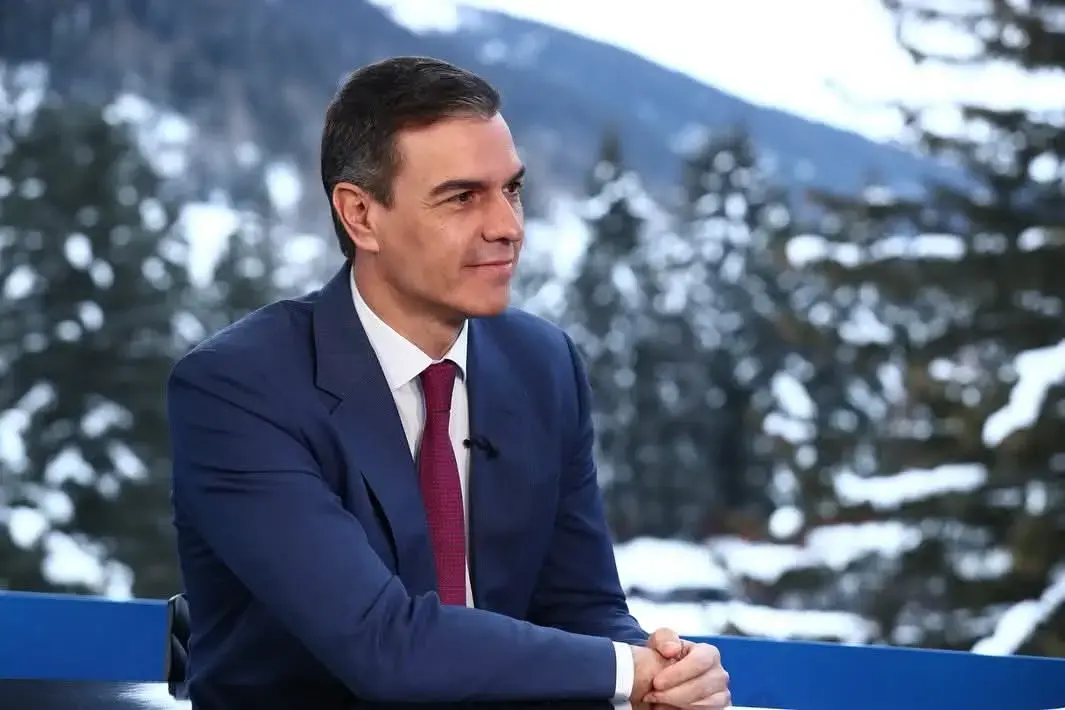
The Spanish Council of Ministers, led by Prime Minister Pedro Sanchez, approved the termination of Anna Maria Salomon Perez's appointment as Ambassador to Israel. While she had been recalled for “consultations” as far back as September 2025 following a dispute over arms embargos, this latest move signals that Madrid does not intend to restore full diplomatic representation for the foreseeable future.
The Spanish Embassy in Tel Aviv will now be led by a charge d'affaires, status typically reserved for governments that maintain basic communication but lack the formal “approval” signaled by a resident ambassador.
The Catalysts: Gaza, Iran, and Recognition
The withdrawal is the culmination of a “perfect storm” of diplomatic disputes:
- Opposition to the Iran Conflict: Prime Minister Sanchez has been the most vocal Western critic of the recent U.S.-Israeli unprovoked attacks on Iran (often cited in the press as “Operation Epic Fury”. Sanchez has labeled the strikes “unjustifiable” and prohibited the use of Spanish bases, such as Rota and Moron, for these attacks — a stance that has drawn threats of trade sanctions from Washington.
- The Gaza Crisis: Spain has consistently led the European charge in criticising Israel's military actions in Gaza. The government's formal use of the term “genocide” in official decrees has provoked fierce rebukes from Israeli Foreign Minister Gideon Sa'ar, who recently accused Madrid of “standing with tyrants.”
- Recognition of Palestine: In May 2024, Spain formally recognised the State of Palestine. In response, Israel recalled its own ambassador from Madrid, meaning both nations are now operating without top-tier envoys.
Strategic implications
This “total rupture” places Spain in a unique position within the European Union. While most EU member states have maintained a stance of cautious support for Israel's security, Madrid has pivoted toward a “Peace First” policy that prioritises:
- Arms Embargos: Strict laws now prohibit ships or aircraft carrying weapons to Israel from entering Spanish ports or airspace.
- International Law: Spain has increased funding to UNRWA and active support for ICJ proceedings investigating war crimes.
- Domestic Support: Public opinion in Spain remains overwhelmingly in favour of the government's stance, with recent polling showing nearly 80% support for the diplomatic distance
What happens next?
The diplomatic freeze is expected to persist as long as the current administrations in Madrid and Tel Aviv remain in power. For now, the Spanish embassy will remain functional for administrative tasks and protecting Spanish nationals, but the political bridge between the two nations has effectively been dismantled.