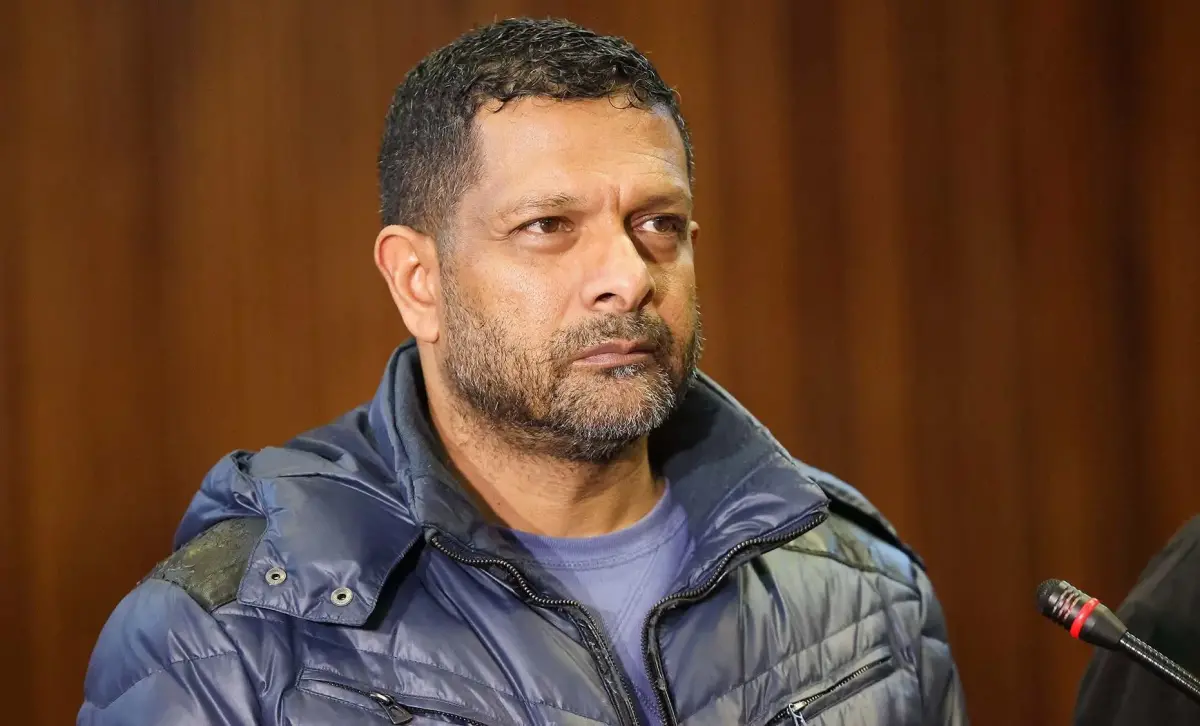
Major-General Feroz Khan, the suspended deputy head of SAPS Crime Intelligence, has been dismissed from the South African Police Service (SAPS) after failing to appear for an expedited disciplinary hearing.
The dismissal, confirmed by SAPS on 2 September 2026, follows months of intense scrutiny over allegations of misconduct, interference in high-profile police operations, and links to illicit networks. Khan had been a central figure in evidence led before the Madlanga Commission of Inquiry and was recovering from an apparent assassination attempt when the internal process concluded in his absence.
SAPS confirms dismissal
National police spokesperson Brigadier Athlenda Mathe stated that Khan was “deemed dismissed” in terms of Regulation 9(7)(b) of the SAPS Discipline Regulations after he failed to appear before the designated senior officer responsible for the expeditious disciplinary process.
“The South African Police Service confirms the dismissal of Major General Feroz Khan from the Service,” the official statement read. SAPS emphasised that “no member, regardless of rank or position, is above the law or the applicable disciplinary framework” and reiterated its commitment to accountability, discipline and professional conduct within the organisation.
How the disciplinary case unfolded
The internal process focused on allegations of misconduct and bringing the police service into disrepute. These stemmed primarily from Khan's alleged role in the July 2021 Aeroton cocaine seizure in Johannesburg, during which police intercepted a truck carrying approximately 715 kg of cocaine valued at around R300 million that had travelled from Durban. Witnesses at the Madlanga Commission of Inquiry have alleged that Khan interfered in the operation, asserted rank improperly, mishandled the crime scene, and contributed to the failure of the subsequent investigation. Some unsubstantiated “corridor talk” even linked the drugs to him.
An earlier internal disciplinary process in 2025, chaired by KwaZulu-Natal Provincial Commissioner Lieutenant-General Nhlanhla Mkhwanazi, cleared Khan of related charges of defeating the ends of justice. That outcome has since been questioned during evidence led at the Madlanga Commission.
The most recent expedited process proceeded in Khan's absence. His legal team and the Police and Prisons Civil Rights Union (Popcru) argued that he was medically unfit to attend while recovering from serious injuries sustained in a shooting. On 31 August 2026, the Labour Court, per Judge Connie Prinsloo, struck Khan's urgent application to halt the disciplinary proceedings off the roll for lack of jurisdiction or urgency and ordered costs against the union. This ruling cleared the way for SAPS to finalise the matter.
Assassination attempt and wider scrutiny
On the night of 28 June 2026, days before he was scheduled to testify at the Madlanga Commission, Khan was shot and wounded in an apparent assassination attempt in Houghton, Johannesburg. He sustained abdominal injuries, underwent surgery, and required ongoing medical and psychiatric care. SAPS launched a high-level investigation involving the Hawks, Crime Intelligence detectives and the Political Killings Task Team.
Khan remains a central figure in the Madlanga Commission, the Judicial Commission of Inquiry into Criminality, Political Interference and Corruption in the Criminal Justice System. He faces serious allegations, including interference in police operations, links to illicit networks, facilitation of tenders, unexplained wealth and political connections. Evidence drawn from seized devices and witness testimony has been led in his absence following the shooting. Khan has denied wrongdoing. The commission has continued its work and later reissued a subpoena for his appearance.