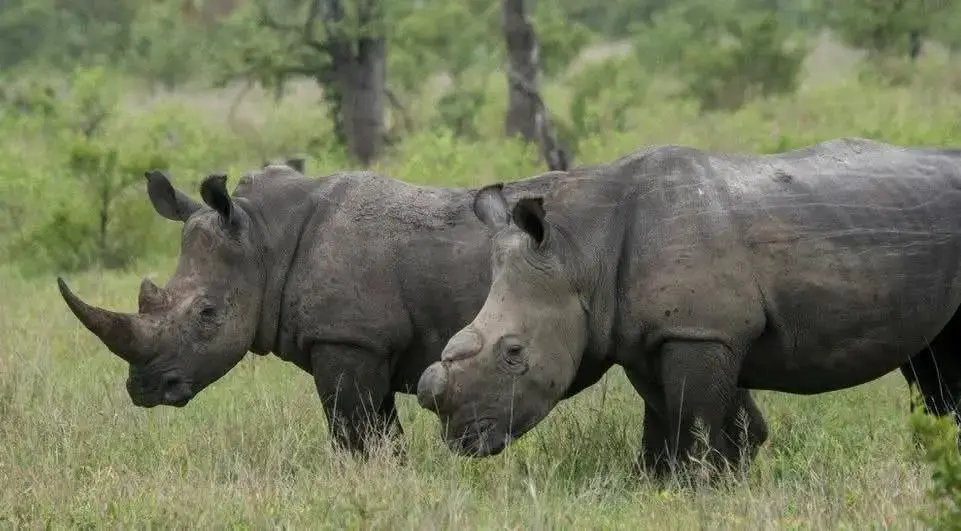
In a significant blow to organised environmental crime, South African authorities have successfully secured a court-granted preservation order for four properties valued at R5 860 000.00. These assets are directly linked to a sophisticated rhino horn trafficking and poaching syndicate. This legal victory marks a major milestone in an extensive, multi-agency investigation known as Project Blood Orange.
A collaborative enforcement effort
The investigation was a collaborative effort involving the Hawks, the Financial Intelligence Centre, the National Prosecuting Authority's Asset Forfeiture Unit, the Department of Home Affairs, SAPS Crime Intelligence, and various wildlife protection units.
International cooperation was also critical, with support provided by the United States Fish and Wildlife Service. The scope of this partnership reflects the complexity of the crime, which spanned multiple provinces including Mpumalanga, Limpopo, and Gauteng.
Convictions and ongoing prosecution
At the center of this criminal network was Congolese national Francis Kipampa. Following a comprehensive investigation that included the discovery of a vehicle modified with a false compartment at his residence and the recovery of six rhino horns in Kabokweni, Kipampa pleaded guilty to charges of money laundering and rhino horn trafficking. He is currently serving an 18-year prison sentence.
While Kipampa has been convicted, the legal process continues for 15 other suspects who were arrested in connection with the syndicate and are currently awaiting trial. These individuals include two former game rangers who are accused of compromising their positions to provide information to poachers, alongside several family members allegedly involved in the operation.
The cost of justice
Major General Nico Gerber, the Provincial Head of the Directorate for Priority Crime Investigation, emphasised that Project Blood Orange demonstrates the effectiveness of financial forensic investigations in exposing the internal workings of poaching rings and the corrupt individuals facilitating them.
However, he also highlighted the heavy price paid by law enforcement in this pursuit, noting that the operation resulted in the tragic assassination of a dedicated investigator in March 2020. This ongoing effort stands as a testament to the commitment of the South African Police Service and its partners to dismantle the networks driving the illegal wildlife trade.