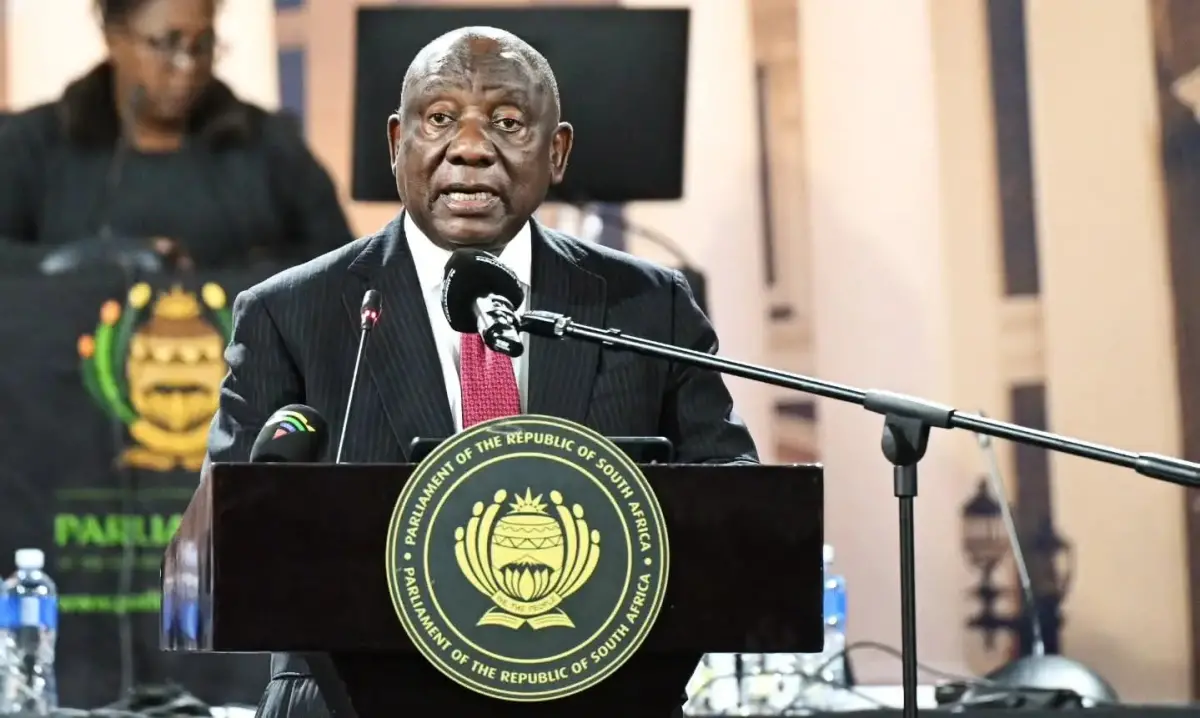
President Cyril Ramaphosa's name has come up at the Madlanga Commission through a confidential document that lists what appear to be multiple identity numbers linked to him. The material emerged in evidence involving businessman Vusimuzi “Cat” Matlala.
The Judicial Commission of Inquiry into Criminality, Political Interference and Corruption in the Criminal Justice System – commonly known as the Madlanga Commission – was established by Ramaphosa in July 2025. It followed allegations by KwaZulu-Natal Provincial Police Commissioner Lieutenant-General Nhlanhla Mkhwanazi of organised-crime infiltration involving politicians, senior police officers, prosecutors and intelligence operatives. Chaired by retired Constitutional Court Justice Mbuyiseli Madlanga, the commission began public hearings in September 2025. Its final report deadline has been extended to 16 November 2026.
The document and how it reached the commission
Evidence first presented in October 2025 by a confidential witness drew on WhatsApp messages and phone records seized from Matlala after his arrest in May 2025. On 13 April 2025, Matlala forwarded three documents to then KwaZulu-Natal Hawks provincial head Major-General Lesetja Senona. One was a Bizz Tracers forensic memo, produced by a company linked to private investigator Calvin Rafadi. Marked “STRICTLY CONFIDENTIAL,” it concerned “information concerning the honourable identity of the President” and listed multiple identity numbers attributed to Ramaphosa.
The memo recommended the destruction of related company records at CIPRO (the predecessor to CIPC), SARS and the courts; the erasure of computer mainframe files containing the sensitive information; and the closure of bank accounts linked to the identity documents in question, except for one common number. The witness noted that both the document's origin and the reason for its transmission remained unclear at the time.
The issue resurfaced during Matlala's testimony in late August 2026. He told the commission that Rafadi had sent him various materials on high-profile matters, apparently to demonstrate investigative capability. Matlala said he forwarded the documents – including the Ramaphosa-related memo – to Senona without reading them, citing time constraints: “I was just forwarding these things. I don't know anything about them.” The confidential document was displayed during the proceedings.
Context and related testimony
Matlala is a central figure in the commission's evidence. He has been named in connection with the alleged “Big Five” Gauteng-based criminal syndicate and a controversial R360 million SAPS Medicare24 health-services tender. He has repeatedly invoked his constitutional right against self-incrimination on matters tied to pending criminal cases.
On the same sitting days, evidence focused on Matlala's relationship with Senona, which he described in brotherly terms. This included a R20 000 loan after a December 2024 police raid and advice on challenging the cancellation of the Medicare24 contract.
Earlier public commentary has suggested that references to multiple identity numbers may stem from legacy administrative glitches in older company-registration systems rather than any actual multiplicity of official identities. No evidence led before the commission has established wrongdoing by Ramaphosa in connection with the document.
Wider significance
The inquiry continues to examine alleged political interference, corruption within police and intelligence structures, irregular tenders and networks involving private sectors and senior officials. Interim reports have already prompted referrals for investigation and disciplinary processes. Ramaphosa has stated publicly that no individual, regardless of status, will be shielded from the commission's findings.
The appearance of sensitive personal information about the head of state in private communications highlights the commission's broader focus on how information, influence and access allegedly circulate outside official channels. All allegations remain untested. Those named are presumed innocent pending further evidence, formal findings or legal processes. The commission is due to submit its final report by mid-November 2026.