The Socio-Economic Rights Institute of South Africa (SERI) has issued a stern call to action for Johannesburg's leadership, citing a “pattern of defiance” toward legal obligations and human rights standards.
The organisation is demanding immediate intervention for residents living in precarious conditions within the inner city and informal settlements, signaling a growing crisis in municipal accountability.
A legacy of unmet recommendations
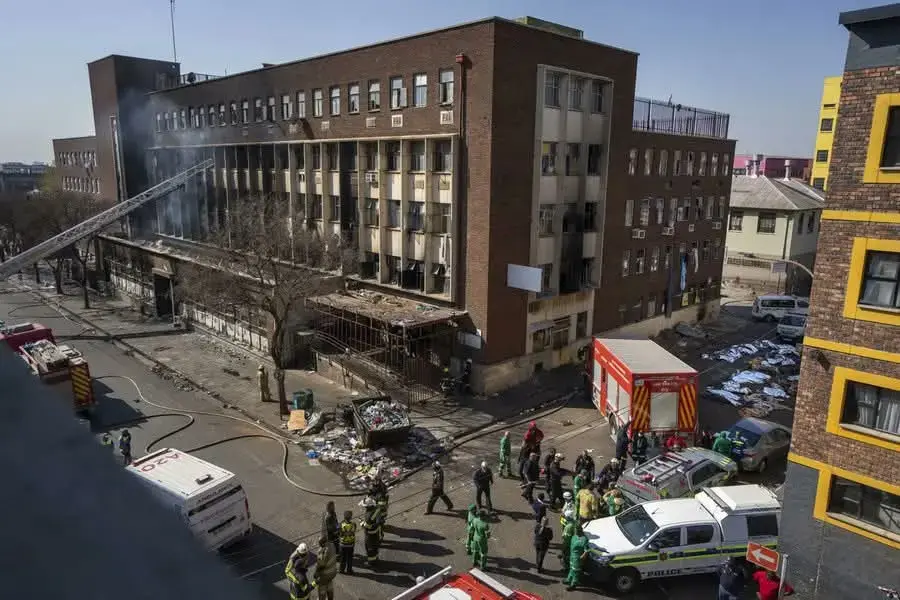
This friction stems from a set of recommendations previously made by a Commission aimed at alleviating the arduous lives and often dangerous circumstances of Johannesburg's inner-city residents.
These recommendations prioritised the immediate provision of basic services, specifically targeting refuse collection in dilapidated or “bad” buildings, alongside significant investment in infrastructure to support the wider rollout of the Expanded Social Programme (ESP).
Furthermore, the commission urged the City to re-examine the budget allocated for Temporary Emergency Accommodation (TEA) and affordable social housing to address the root causes of the housing shortage.
Legal escalation and the Electrons matter
Despite these clear directives, SERI reports that the City and relevant duty bearers have yet to implement these life-changing measures. The legal battle has reached a boiling point regarding the Electrons informal settlement, where occupiers have been forced to return to court for the sixth time to secure already guaranteed by law.
As a result of this continued inaction, a contempt of court application has been brought against the City's senior office bearers.
A critical deadline for City leadership
SERI is now imploring the Mayor and City Manager to utilise their scheduled court appearance on April 14, 2026, as a vital opportunity to present clear, concrete, and implementable steps. The goal is to comply with their legal obligations and provide Electrons residents with TEA by the court-ordered deadline of April 30,2026.
Nkosinathi Sithole, SERI's director of litigation, expressed grave concern, noting that this pattern of defiance poses a serious threat to constitutional democracy and insisting that the City and its office bearers must do better.
Accountability and the right to dignity
As the April deadline approaches, the pressure is on the City of Johannesburg to shift from litigation to implementation. For the thousands of residents living in “bad” buildings and informal settlements, these legal proceedings represent the fundamental right to safety, sanitation, and a dignified home.