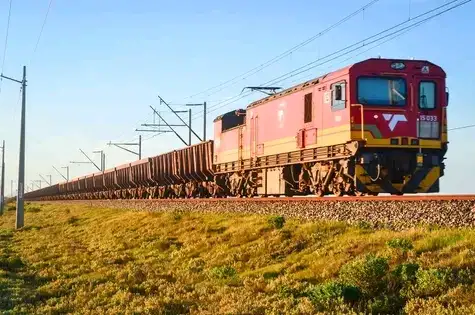
The United National Transport Union (UNTU) has issued a strong condemnation of recent public remarks made by Chris Hunsinger MP, the Democratic Alliance's spokesperson on transport. Hunsinger called for Transnet to cease operating South Africa's freight rail network and for private companies to take over strategic freight corridors through long-term term concession agreements.
UNTU views this stance as anti-sovereignty, arguing that relinquishing operational control of the country's strategic rail network to private interests undermines national economic sovereignty.
Defending national infrastructure and economic sovereignty
Strategic rail infrastructure serves as a vital instrument of national economic policy, enabling the State to direct trade, safeguard supply chains, and support economic development for all South Africans. UNTU regards the private sector's primary role as making a profit, whereas freight rail acts as critical national infrastructure supporting mining, manufacturing, agriculture, exports, industrial development, and economic growth. The union considers operational control over such assets as inseparable from South Africa's economic sovereignty.
Transnet SOC Ltd was established to serve South Africa's developmental interests rather than merely generating commercial returns. While acknowledging that Transnet has faced significant challenges and historic debt over the past decade, UNTU emphasises that the entity has begun stabilising its operations. If not for the high cost of servicing its legacy debt, Transnet's financial position would be much stronger. UNTU criticised the government for promoting Private Sector Participation initiatives as a financing mechanism instead of adequately addressing this historic debt, thereby holding the entity to political duress.
Lessons from international experience
The Democratic Alliance's proposal ignores the lessons of international rail privatisation. The United Kingdom's extensive rail privatisation program from the 1990s promised greater competition, efficiency, and lower costs, but instead resulted in fragmented operations, increased complexity, higher costs for taxpayers and passengers, and persistent service failures.
These severe shortcomings led the UK government to return passenger rail services to public ownership under the Great British Railways, acknowledging that strategic infrastructure is better coordinated under public control. UNTU asserts that South Africa should not repeat policy failures that other countries are currently reversing.
The future of South Africa's freight rail
Rejecting the Democratic Alliance's proposal in its entirety, UNTU maintains that the future of South Africa's freight rail network relies on rebuilding Transnet through sound governance, infrastructure investment, enhanced security, skills development, financial restructuring, and strong action against systemic corruption.
UNTU reiterates its call for a hands-off approach to Transnet, emphasising that the asset belongs to the people of South Africa rather than politically connected individuals or those whose believe public office entities grant them the power to determine the fate of a strategic national asset.