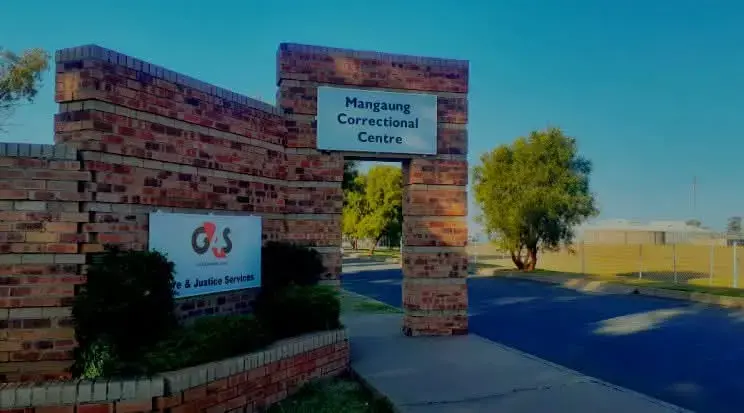
The Department of Correctional Services has officially confirmed its preparedness to assume full operational responsibility for the Mangaung Correctional Centre beginning on 1 July 2026. This significant transition follows the formal expiration of a 25-year public-private partnership agreement with Bloemfontein Correctional Contracts, which is set to conclude on 30 June 2026.
Operational transition and staffing plans
Extensive planning and implementation processes have been undertaken by the Department to ensure a seamless transfer of operations, with seven dedicated workstreams established to coordinate efforts and maintain uninterrupted service delivery, security, and offender management. As part of the new operational structure, the facility will be incorporated into the Grootvlei Management Area.
Efforts to strengthen the staffing complement are currently underway, with a recruitment process that includes 668 center-based posts advertised on 17 April 2026, which is expected to be finalised by 30 June 2026. Additionally, 76 officials have already assumed duty at the facility, while 60 officials from the Emergency Support Team have been deployed to conduct comprehensive gang profiling to enhance security.
The Department is also addressing ongoing legal proceedings related to a Labour Court judgement concerning the transfer of employees currently employed by G4S at the center, having exercised its right to appeal the matter.
Regarding the inmates, the Department confirms that all offenders at the Mangaung Correctional Centre have approved Correctional Sentence Plans and are classified as maximum-security offenders, with management systems aligned to departmental standards to ensure continuity. The Department expects the center to be fully operational under its administration from 1 July 2026.
Historical scrutiny and operational challenges
The reputation of the Mangaung Correctional Centre has been complex and frequently debated since its inception as one of South Africa's first public-private partnership prisons. Proponents of the facility initially argued that the private sector model allowed for greater operational flexibility, innovation, and high-quality service delivery compared to state-run alternatives, specifically noting the absence of riots or escapes for long periods and a strong focus on key performance indicators for rehabilitation.
However, the facility has also faced significant scrutiny and controversy over the years. Operational costs at the facility significantly exceeded those of traditional public-sector facilities, with costs increasing by over 100% since its inception, leading to questions regarding long-term affordability and value for money of the public-private partnership model.
While the facility was initially praised for security performance, more recent assessments indicate that challenges persist, including security breaches and ongoing operational instability. The use of multinational corporations in the management of correctional facilities has often drawn international criticism, with the broader context of private prison management in South Africa marked by allegations of corruption, poor management, and a focus on profit that critics argue can come at the expense of humane custody and prisoner rights.
Studies conducted at the facility have noted unique medical challenges within the inmate population, such as high incidence of deliberate foreign object ingestion and specific medico-social issues that require specialised care.
The impact of the Thabo Bester escape
The facility's reputation was severely damaged during the tenure of Thabo Bester, who orchestrated a high-profile escape on 3 May 2022 while the prison was under the management of G4S. Bester, a convicted murderer and rapist, staged a fire in his cell and used an unidentified corpse to create the impression that he had perished, only for forensic analysis to later confirm the body was not his.
Investigations by the Department of Correctional Services concluded that the escape was well calculated and organised, with clear evidence of inside assistance from staff, leading to the suspension and dismissal of multiple G4S employees. The incident exposed significant systemic failures and corruption at the privately-run prison, including allegations that the facility's management attempted to cover up the events surrounding the escape, which went undiscovered for nearly a year.
The escape prompted intense scrutiny of the public-private partnership model and led to a Public Protector report in 2024 investigating improper misconduct by departmental officials, ultimately accelerating the push for the Department of Correctional Services to reclaim direct control.