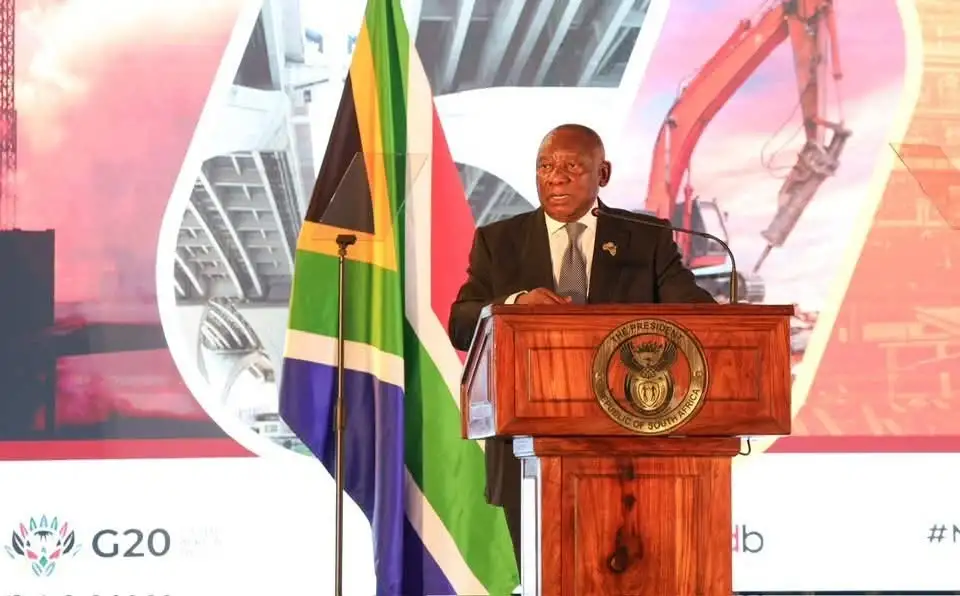
On Sunday, President Cyril Ramaphosa, serving as the African Union Champion on Pandemic Prevention, Preparedness, and Response, called for a unified continental defense against newly confirmed Ebola virus disease outbreaks.
The emergence of the Bundibugyo strain – specifically in the Ituri Province of the Democratic Republic of Congo and the capital city of Kampala, Uganda – has prompted an immediate mobilisation of regional health resources.
President Ramaphosa praised the governments of both the DRC and Uganda for their swift leadership and transparency, noting that their commitment to rapid laboratory confirmation and public reporting is the primary safeguard against the localised cases escalating into a wider regional crisis.
Managing the risk of regional spread
The President emphasised that the risk of the virus crossing borders is intensified by the high levels of population mobility, humanitarian environment, and localised insecurity within the affected regions. Because the virus does not respect national boundaries, the address stresses the necessity for at-risk neighbouring countries to bolster cross-border collaboration and surveillance at both formal and informal points of entry.
Additionally, as the chair of the Global Leaders Network for Women's, Children's, and Adolescents' Health, the President made a specific plea to ensure that these vulnerable groups are not neglected during the response, insisting that routine healthcare services must remain stable to prevent secondary health crises.
Strengthening African health architecture
Central to the containment effort is the partnership between the Africa Centres for Disease Control and Prevention and the World Health Organization. Under the leadership of Director General Dr. Jean Kaseya, the response is utilising the incident management models successfully deployed during previous health emergencies, such as the mpox response.
President Ramaphosa highlighted that while international development assistance has declined, African nations must remain committed to domestic financing for public health systems. This includes long-term investment in national health institutes, emergency operation centers, and genomic surveillance networks to ensure the continent can respond to pathogens with speed and precision.
A commitment to health security and sovereignty
Concluding his address, President Ramaphosa appealed to all African Union Member States and international partners to provide the technical and financial support necessary to translate solidarity into concrete action.
He reaffirmed his commitment to working with the African Union Commission and other Heads of State to ensure the response is grounded in the principles of health security and sovereignty. The message remains one of collective resolve, asserting that the DRC, Uganda, and their neighbours should not face this threat alone, as Africa possesses the institutional experience and unity required to contain the outbreak at its source.