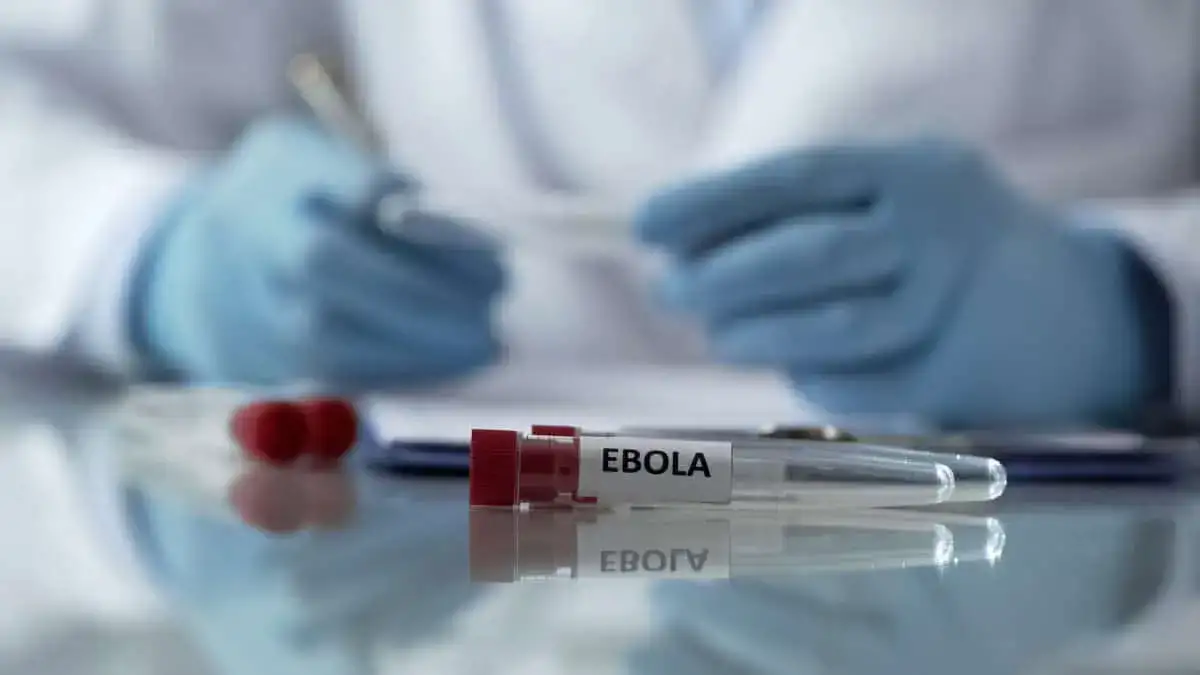
The World Health Organization (WHO) has officially declared the ongoing outbreak of Ebola disease caused by the Bundibugyo virus in the Democratic Republic of Congo and Uganda as a public health emergency of international concern.
This significant determination, made by the Director-General under the International Health Regulations, follows a rigorous assessment of the current epidemiological situation. While the event does not yet meet the criteria of a pandemic, the rapid spread across borders and the potential for further international transmission have necessitated this heightened global alert.
Escalating transmission and geographic reach
The current situation is characterised by a high degree of uncertainty and several alarming indicators. As of mid-May 2026, the Ituri Province in the Democratic Republic of Congo has reported hundreds of suspected cases and dozens of deaths across multiple health zones.
Perhaps most concerning is the emergence of confirmed cases in Kampala, Uganda, linked to individuals traveling from the DRC. This cross-border transmission, combined with reports of unusual clusters of community deaths and infections among healthcare workers, suggests significant gaps in infection control and a high risk of amplification within medical facilities.
Critical challenges in treatment and containment
Several factors complicate the response to this specific strain of Ebola. Unlike the more common Zaire strains, there are currently no approved vaccines or specific therapeutics for Bundibugyo virus.
This lack of medical countermeasures, paired with the region's ongoing humanitarian crisis, high population mobility, and insecure environment, creates a perfect storm for a widespread epidemic. The high positivity rate of initial samples further suggests that the true scale of the outbreak is likely much larger than what has been officially documented so far.
The necessity of international cooperation
In light of these developments, the WHO is calling for immediate international coordination and cooperation. The declaration of a public health emergency is intended to scale up surveillance, strengthen response operations, and ensure that neighbouring countries are prepared for potential spread.
The Director-General has expressed gratitude to the leadership in both the DRC and Uganda for their transparency and commitment to containing the virus, while emphasising that the global community must now act with urgency to provide the necessary support and resources to prevent a larger regional or international crisis.